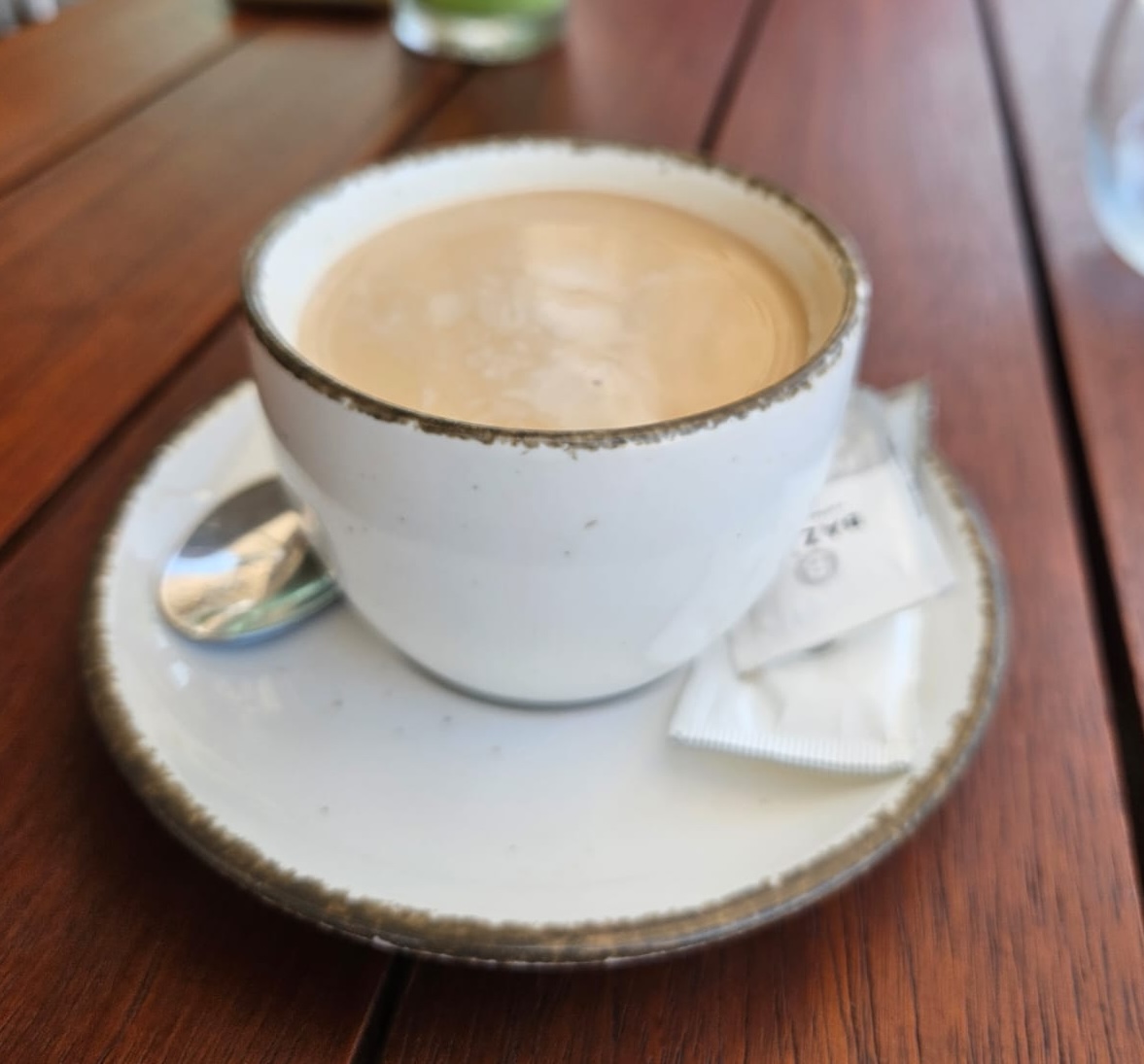
Coffee in Spain isn’t about speed—it’s about savoring. While Italy is famous for lightning-fast espresso shots, in Spain, coffee is an excuse to slow down, connect, and enjoy life. Locals linger over their cup—whether at a terrazita, a sunny plaza, a bustling bar, or a neighborhood café—chatting with friends about the latest chisme (gossip) or simply people-watching with a café con leche and a warm tostada.
A Brief History of Spanish Coffee Culture
Spain’s love affair with coffee didn’t start in noble palaces—it began in working-class cafés and casas de café (coffee houses) in the 18th and 19th centuries. Coffee exploded in popularity after the Spanish Civil War, thanks to home espresso pots and the rise of the cafetería.
Today, the local bar or café is where business deals are made, gossip is swapped, and mornings truly begin. Most Spaniards enjoy 2–3 cups a day, and they take their time doing it—unless they’re grabbing a quick café solo before work.
While a café con leche is typical in the morning or at merienda (late afternoon snack time, around 5–7 pm), after lunch or later in the day, you’ll see more people ordering cortados, espresso shots, or even a coffee with liquor for a little extra kick.
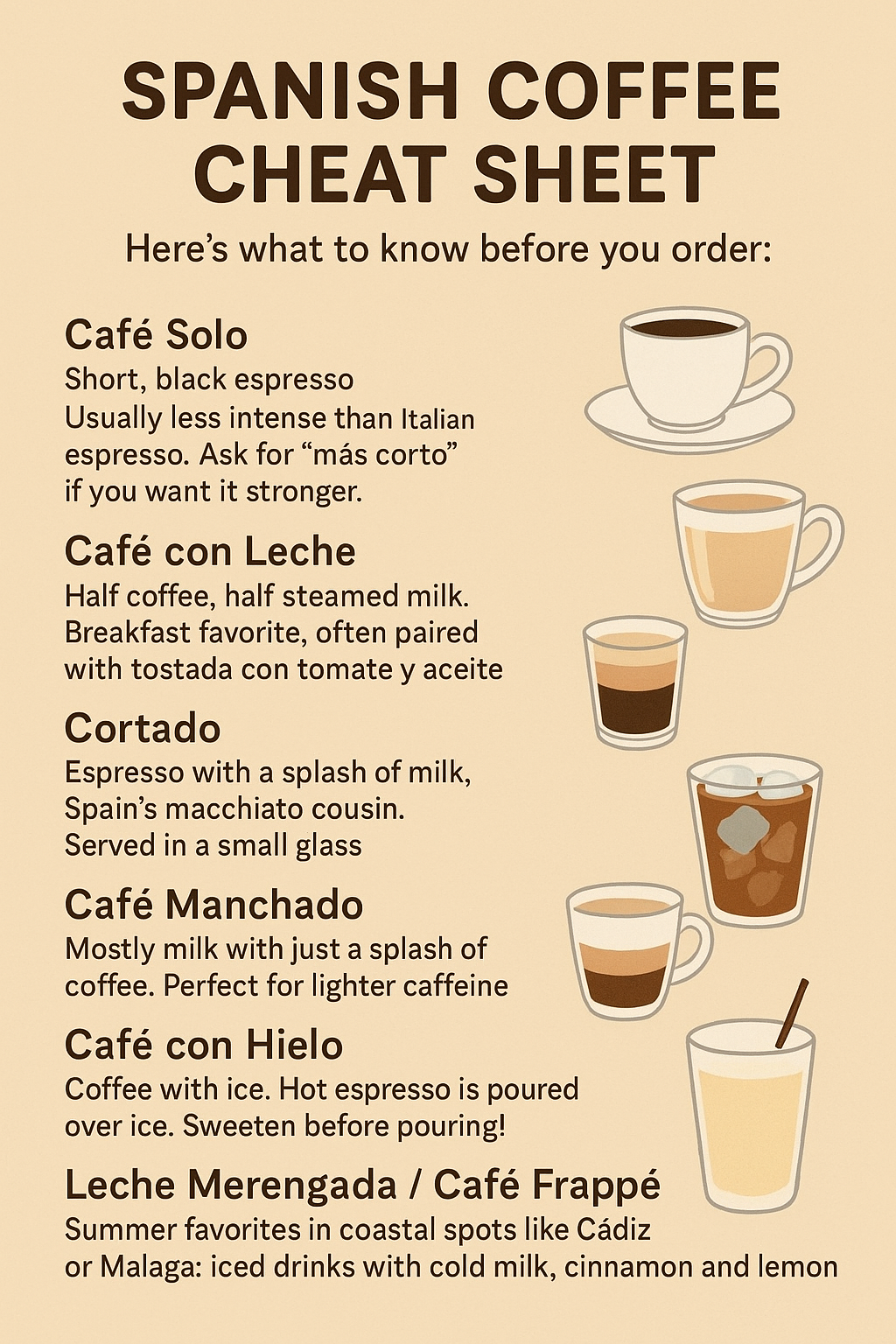
Spanish Coffee Cheat Sheet
Here’s what to know before you order:
- Café Solo – Short, black espresso. Usually less intense than Italian espresso. Ask for más corto if you want it stronger.
- Café con Leche – Half coffee, half steamed milk. Breakfast favorite, often paired with tostada con tomate y aceite.
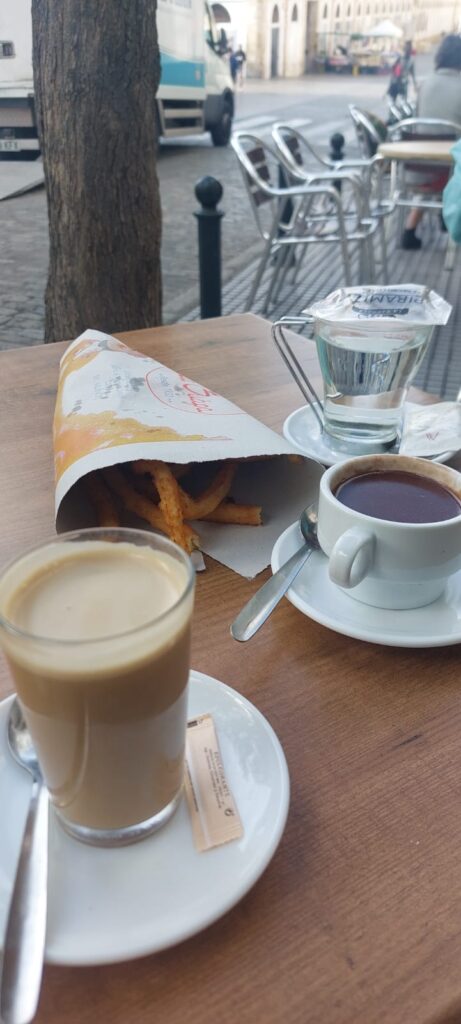
- Cortado – Espresso with just a splash of milk. Spain’s cousin to the macchiato. Served in a small glass.
- Café Manchado – Mostly milk with just a hint of coffee. Perfect for light caffeine.
- Café con Hielo – Espresso served with a separate glass of ice. Pro tip: sweeten your coffee before pouring it over the ice!
- Café Bombón – Espresso with sweetened condensed milk. Popular in Valencia and served in a glass to show off the layers.
- Leche Merengada / Café Frappé – Summer favorites in coastal spots like Valencia: iced drinks with cold milk, cinnamon, and lemon.
☕ Download the Ultimate Spanish Coffee Guide for Your Next Trip or find it on Pinterest.
Not a Coffee Drinker?
Order a zumo natural de naranja (fresh-squeezed orange juice), especially delicious when Valencia oranges are in season from March to September. Just don’t confuse them with Andalucía’s famous bitter oranges—those are better suited for marmalade than breakfast juice. For more info on our bitter oranges, check out our blog: Andalucia’s Bitter Oranges: From Ancient Traditions to Delicious Treats.
Pro Tips
- Most locals drink coffee at bars, not fancy cafés.
- Expect to pay €1.50–€2.00 for coffee at the counter.
- Table service usually costs a bit more, but sometimes the view is worth it.
Milk Options
Coffee in Spain is usually ordered at bars, which means you might not see a huge variety of milk substitutes—but it never hurts to ask. Common options include:
- Lactose-free milk (leche sin lactosa)
- Soy milk (leche de soya)
- Almond milk (leche de almendras)
- Oat milk (leche de avena)
- Coconut milk (leche de coco)
Why Spanish Coffee Hits Different
1. The Roast
- Spain: Beans are often torrefacto roasted—sugar is added during roasting, giving the coffee a dark, bold, slightly bitter flavor with hints of caramel.
- U.S.: Wide range of roasts; specialty cafés often use lighter roasts with fruity or floral notes.
Result: Spanish coffee tastes bold and serious (and sometimes bitter), one reason it’s served in small doses rather than giant all-day cups.
2. The Grind + Brew
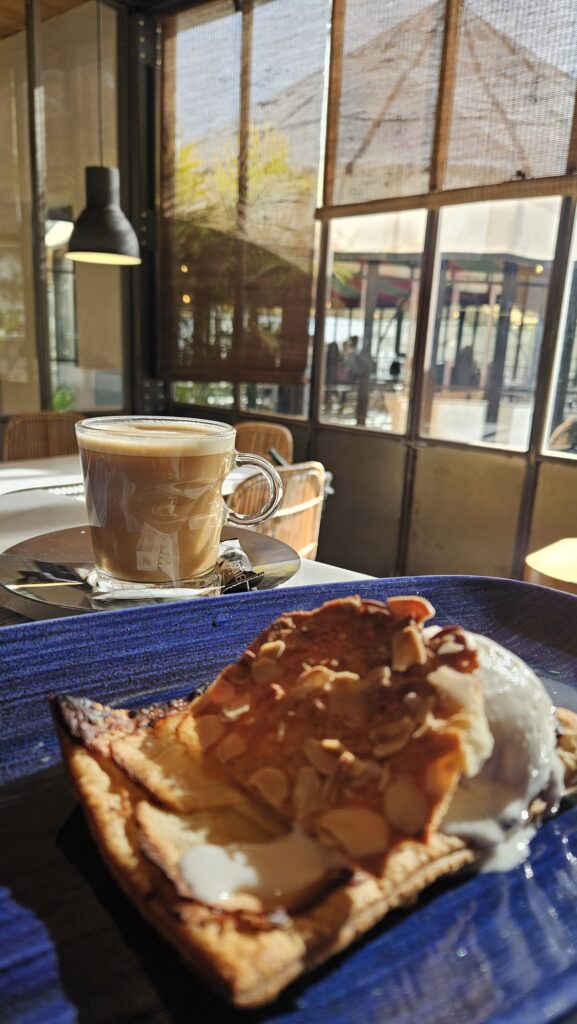
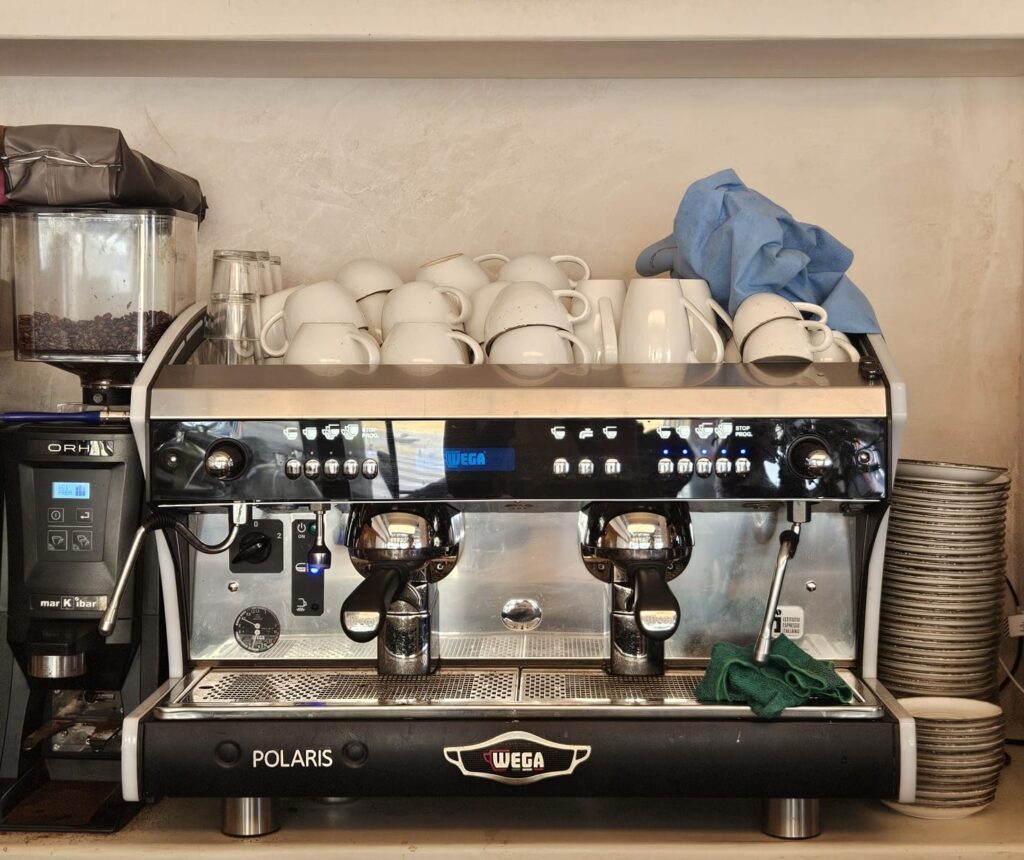
- Spain: Always espresso-style—either from a bar machine or a stovetop moka pot (cafetera italiana).
- U.S.: Drip coffee is common.
Result: Spanish servings are small and potent. They’re often served in tazas (small porcelain mugs) or small glass cups.
Why glass? After the Civil War, Spain—especially Andalucía—was extremely poor, and porcelain was expensive. Glass was affordable, stackable, and showed off the beautiful layers of coffee drinks like café con leche or café bombón. Over time, it became tradition… just be careful—glass is a great conductor of heat!
3. How It’s Drunk
- Spain: Coffee is a ritual. Stand at the bar for a quick shot, or sit and savor at a table. Coffee is served scalding hot, so unless you ask for it templado (warm), you’ll need a few minutes before sipping.
- U.S.: Coffee is mobile fuel—carried in to-go cups during commutes or at desks.
Fun Fact:
Spain doesn’t have a specific law against eating or drinking while driving, but anything that distracts you can get you fined, up to €200 and three points off your license. This is one reason coffee drive-throughs aren’t a thing here.
4. What’s in It
- Spain: Simple menu—milk ratio is the main variable. No syrups, whipped cream, or seasonal flavor explosions.
- U.S.: Customization heaven—flavored syrups, whipped cream, foam art, and yes… pumpkin spice.
Result: Spain focuses on the coffee itself; the U.S. often turns coffee into a dessert.
5. Bonus: The Price
- Spain: €1.50–€2.00.
- U.S.: $4–$7, depending on the extras.
Final Sip
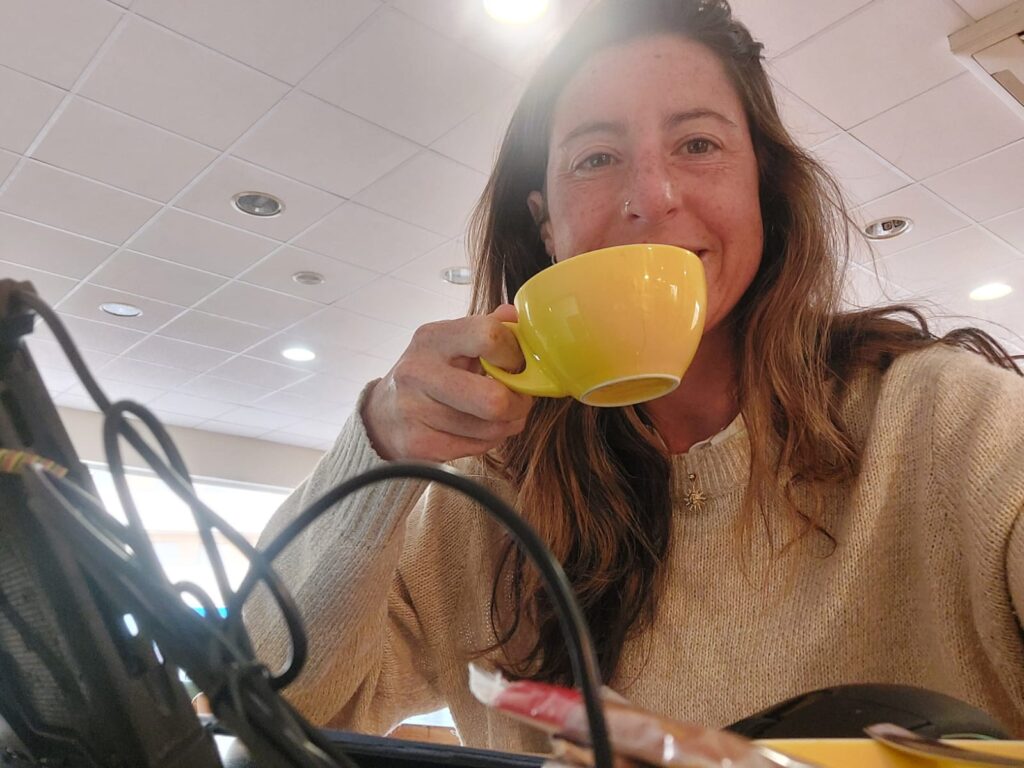
Next time you’re sipping a café con leche in Cádiz, slow down. Look around. Watch the world go by. Because in Spain, coffee isn’t just a drink—it’s a moment.
Love quirky travel tips like this? Sign up for our newsletter and get more fun stories, insider tips, and local secrets from Spain—straight to your inbox!


0 Comments