
The slow transformation behind one of the Mediterranean’s oldest foods
Most people never think twice about the bowl of olives that magically appears beside their drink in Spain.
They just arrived. Salty, glossy, addictive little snacks sitting casually next to a cold beer or vermouth as if they have always belonged there.
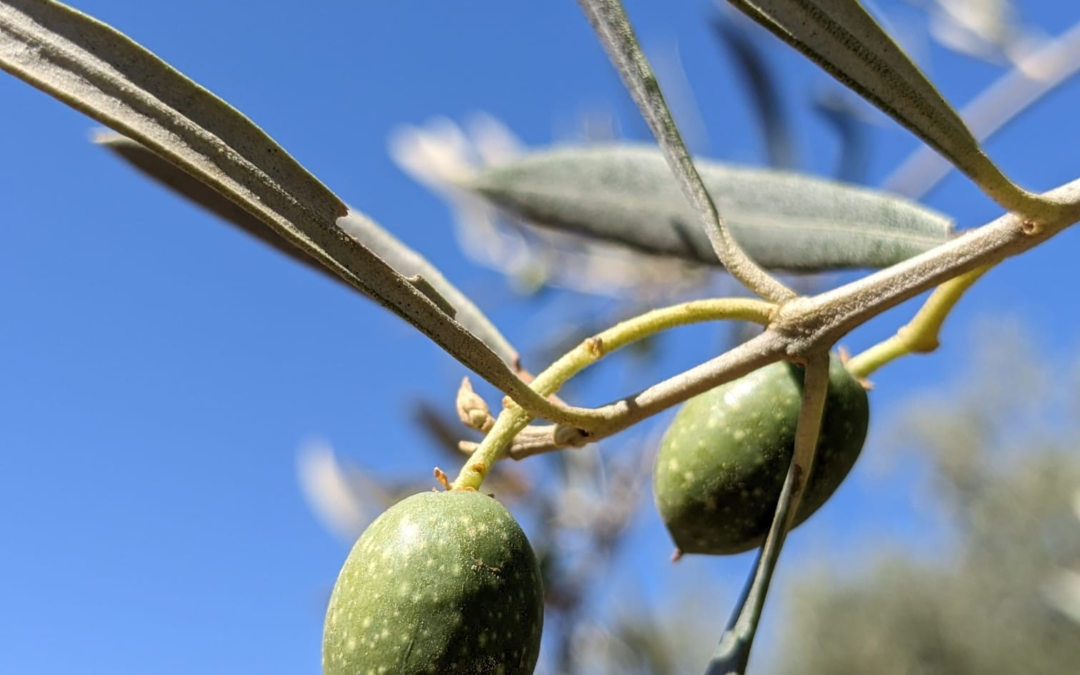
But olives are not naturally edible.
In fact, fresh olives straight from the tree are intensely bitter and completely inedible. At some point thousands of years ago, someone looked at this hard little fruit and decided to experiment with soaking it, curing it, salting it, and patiently waiting to see what happened.
And somehow… it worked.
That discovery became one of the oldest food preservation methods in the Mediterranean and eventually evolved into the olive culture that still defines much of southern Spain today.
Because olives are not really “made” through cooking.
They are transformed slowly through water, salt, fermentation, and time.
A Recipe You Don’t Actually Cook
Traditional olive curing is less about recipes and more about patience.
The basic ingredients are surprisingly simple:
- Fresh olives (green or black, straight from the tree)
- Water
- Sea salt
- Optional aromatics like garlic, oregano, thyme, rosemary, citrus peel, chilli, or vinegar
And time.
A lot of time.
Depending on the style of olive, the curing process can take anywhere from a few weeks to several months.
Very Mediterranean behaviour, honestly.
Step 1: Harvesting the Olives
The process begins in autumn and early winter when olives are harvested at different stages of ripeness.
Green olives are picked earlier while they are still firm and slightly bitter. Black olives are left on the tree longer, allowing them to ripen and soften naturally.
In many traditional olive-growing regions across Andalucía, harvesting is still done partially by hand, especially for table olives that need to remain intact and beautiful.
Because nobody wants a bruised olive.
Step 2: Removing the Bitterness
This is where things become slightly surprising.
Fresh olives are extremely bitter due to a natural compound called oleuropein. Without curing, they are almost impossible to enjoy.
So before olives become edible, they need to be debittered.
Traditionally, this is done through:
- soaking in water
- curing in salt brine
- or cracking/slitting the olives to speed up the process
Cracking the olive allows water and brine to penetrate the flesh faster, which helps remove bitterness more quickly.
This is why many Andalusian olives arrive at the table slightly smashed, cracked, or split open.
It is not a bad presentation.
It is necessary.
Step 3: The Brine
Once the bitterness has mellowed enough, the olives are transferred into brine.
At its most basic, brine is simply:
- water
- sea salt
But this is Spain, so naturally, things get more flavorful from there.
This stage is where olives begin transforming from “technically edible” into something genuinely delicious.
During this process, you will need to change the water daily. At first, the water will appear cloudy or murky, but over time, it will gradually become clearer. Continue repeating this process for about 5–7 days, then taste an olive.
If the olives are still too bitter, keep changing the water daily until the flavour reaches your liking.
Just don’t overdo it — you still want a slight bitterness and character to the olive. Otherwise, you risk ending up with something bland instead of beautifully briny.
Step 4: The Mediterranean Personality Crisis (Aliño)
Now comes the fun part: the aliño.
In Spain, olives are rarely left plain. Different regions, families, bars, and market stalls all create their own marinades using combinations of:
- garlic
- oregano
- thyme
- cumin
- rosemary
- citrus peel
- chilli
- vinegar
- olive oil
This is where olives become aliñadas — marinated olives packed with personality.
Some are intensely garlicky.
Others lean citrusy, herbal, smoky, or spicy.
No two olive stalls taste the same.
And locals absolutely have opinions about which ones are best.
Step 5: Fermentation — The Slow Magic
After seasoning, the olives are left to ferment and rest.
This is the part nobody sees, but it is where the real transformation happens.
Over time:
- bitterness fades
- flavours deepen
- texture softens
- complexity develops
The olives slowly absorb the brine and aromatics around them, developing the rich savoury flavour associated with Mediterranean olives.
This process can take several weeks or even months, depending on the variety and preparation method.
Good olives are not rushed.
Here is a video for those of you who are more of a visual learner.
Step 6: Ready for the Table
Eventually, after all that waiting, soaking, curing, seasoning, and fermenting, the olives finally become what most people recognise.
A small bowl on a terrace table in Andalucía.
Served beside:
- a cold beer
- a glass of wine
- vermouth
- or whatever excuse people have created to sit outside in the sun for two hours
Which, to be fair, is one of Spain’s greatest skills.
Final Thoughts
What begins as a bitter, nearly inedible fruit slowly transforms into one of the Mediterranean’s most iconic foods — not through cooking, but through patience, salt, fermentation, and tradition.
And honestly, that might be why olives feel so connected to southern Spain itself.
Slow. Social. Uncomplicated. Full of flavour.
And if a bowl of olives suddenly appears beside your drink in Andalucía… now you know just how much time went into getting it there.
And if you’re feeling inspired to try making your own olives at home, you can download my traditional Andalusian olive-curing recipe here.
If you want to learn a little knowledge about olives, then check out our blog: Olives in Andalucía: A little knowledge





0 Comments